Game Developer · Software Engineer

AYAM
NEKAT.

|

I build games and software with attention to systems, interaction, and how play feels — including Ayam Nekat.

Stack PixiJS, HTML5 Canvas, WebGL, TypeScript, Next.js, React, Tailwind CSS, Socket.IO

This is the game development stack: rendering, interaction, state, and interface. Tools are chosen for the problem at hand, not as a collection.

01 / ABOUT

My path as
a developer.

I’m a game developer and software engineer based in Indonesia. My background spans software engineering, interactive web development, and browser-based games.

What interests me most is the point where an engineering decision becomes something a player can actually feel through interaction.

Game development makes that connection especially clear. A decision in code can change how responsive a control feels, how clearly an interface communicates state, or how smoothly an interaction plays out. Work in software and web development shaped how I design systems; building games added the perspective of seeing those systems respond directly to player input.

Ayam Nekat is the main project in that journey. The game has been released, and my current focus is maintaining it and continuing to develop it.

02 / HOW I THINK

How I
build.

These principles come from building systems, debugging interactions, and refining interfaces until the game feels clear and responsive.

01

Start with the player experience

I start with what the player feels while playing. Technology should support controls, responsiveness, and the flow of play—not add complexity for its own sake.

02

Keep the game responsive

A game that feels slow quickly gets in the way of play. I treat performance as part of the design, not something to think about only at the end.

03

Build systems that can grow

I prefer building structures that can evolve instead of stacking temporary fixes. That makes it easier to add new features without easily breaking other parts of the system.

04

Make interfaces easy to understand

The UI should help players understand what just happened and what they can do next. On-screen feedback is part of the gameplay, not just presentation.

03 / EXPERIENCE

Experience &
growth.

These roles complement one another. Software engineering provides the technical foundation, web and game development broaden how I work, and those experiences now come together in the ongoing development of Ayam Nekat.

2026 — PRESENT

Independent Game Developer

Developing Ayam Nekat: gameplay systems, architecture, debugging, iteration, and technical implementation using PixiJS on top of Next.js.

2023 — PRESENT

Freelance Web & Game Developer

Building interactive web applications with React/Next.js and browser-based game prototypes with PixiJS, covering UI, state management, and the rendering loop.

2021 — PRESENT

Software Engineer

Developing end-to-end features on web products, focusing on component architecture, performance, and cross-team collaboration using modern JavaScript/TypeScript.

04 / SELECTED WORK

Featured
project.

Each project posed a different kind of problem. Some were about interaction. Some were about game state. Others tested how interface and feedback set the rhythm of play.

COMMERCIAL GAME 2026

Ayam
Nekat.

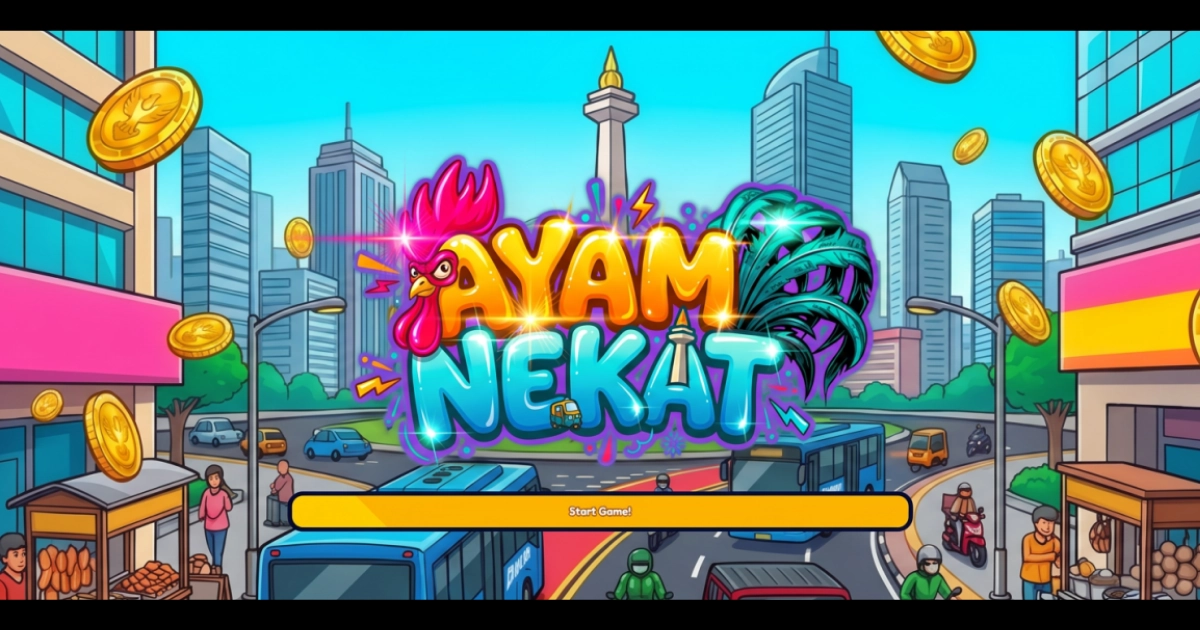
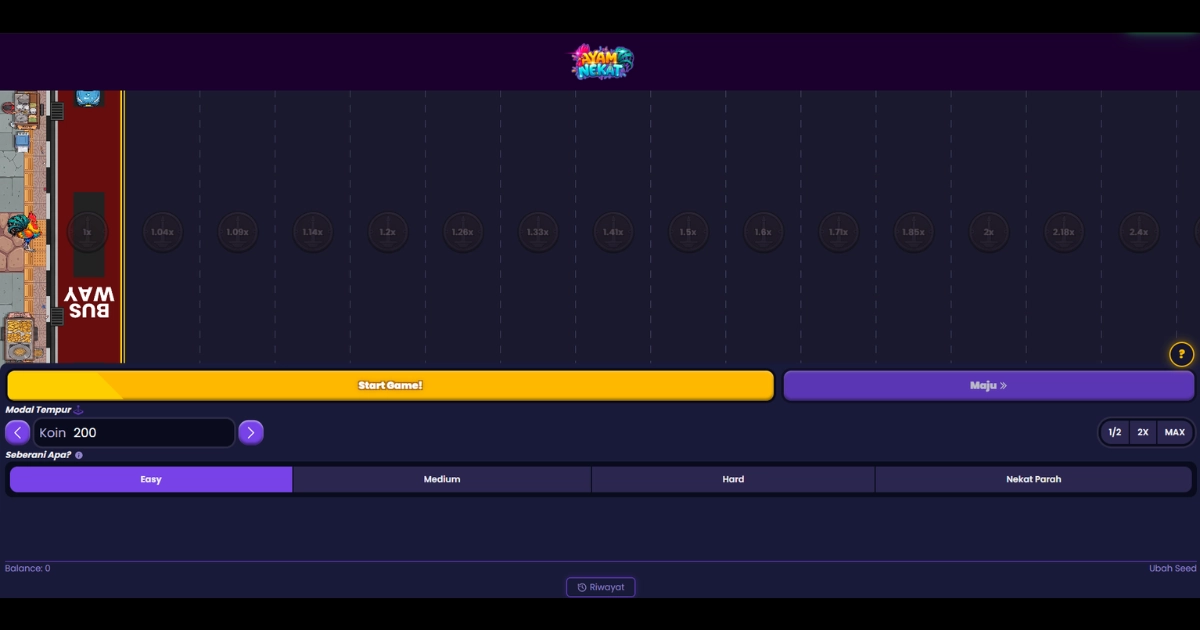
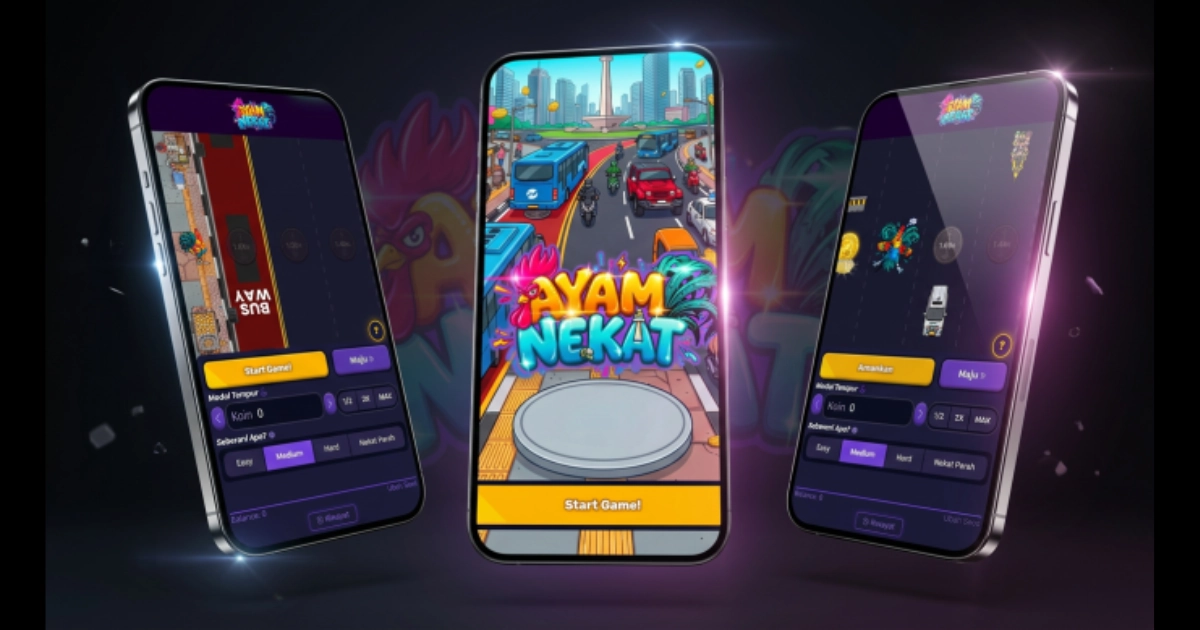
I developed AYAM NEKAT as a commercial game that was later sold for use on ayamnekat.id. I built the gameplay, core systems, architecture, UI flow, debugging, and continued post-release improvements.

ROLE
Developer / Engineer
CONTRIBUTION
Gameplay, systems, architecture, UI flow
STACK
PixiJS (Canvas & WebGL), Next.js, Tailwind CSS
STATUS
Released
CLASSIFICATION
COMMERCIAL GAME · CLIENT GAME · COMMISSIONED GAME · LICENSED GAME
More games
FOR SALE Main
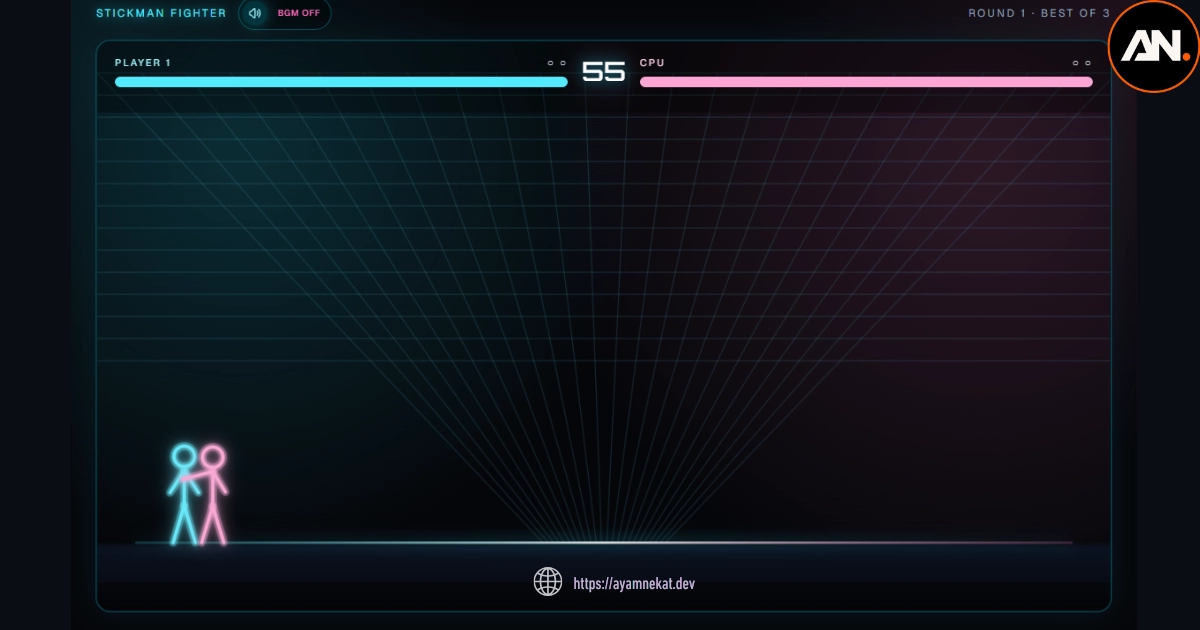
Stickman Fighter Core Gameplay
Stickman Fighter Desktop View
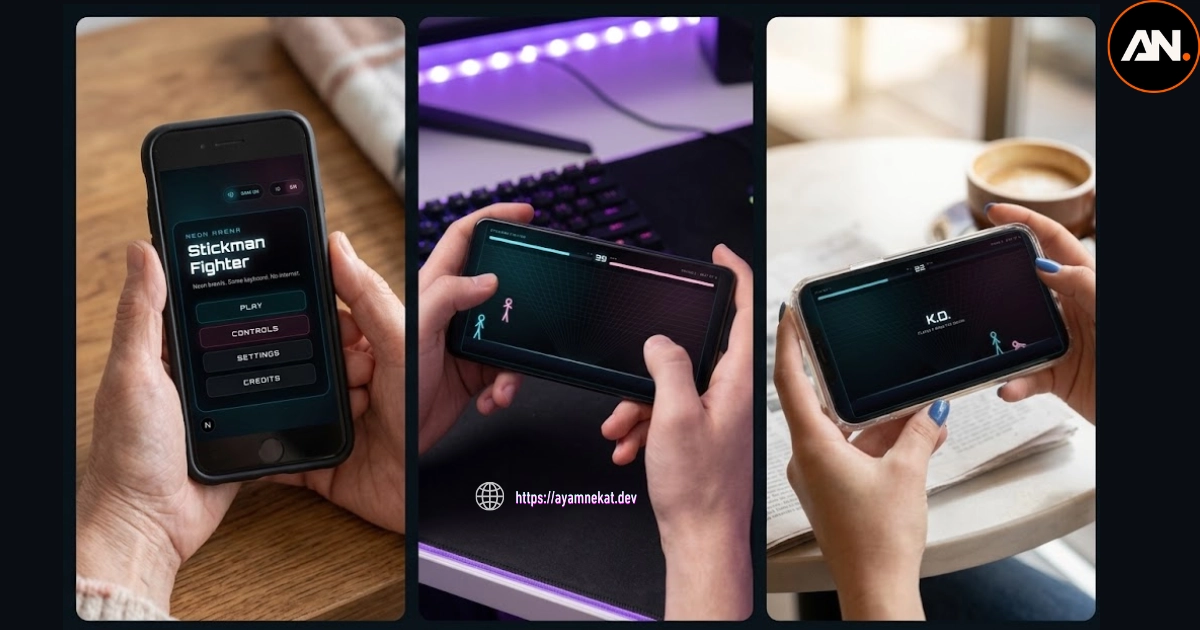
Stickman Fighter Mobile View
Action / Fighting 2026

Stickman Fighter.

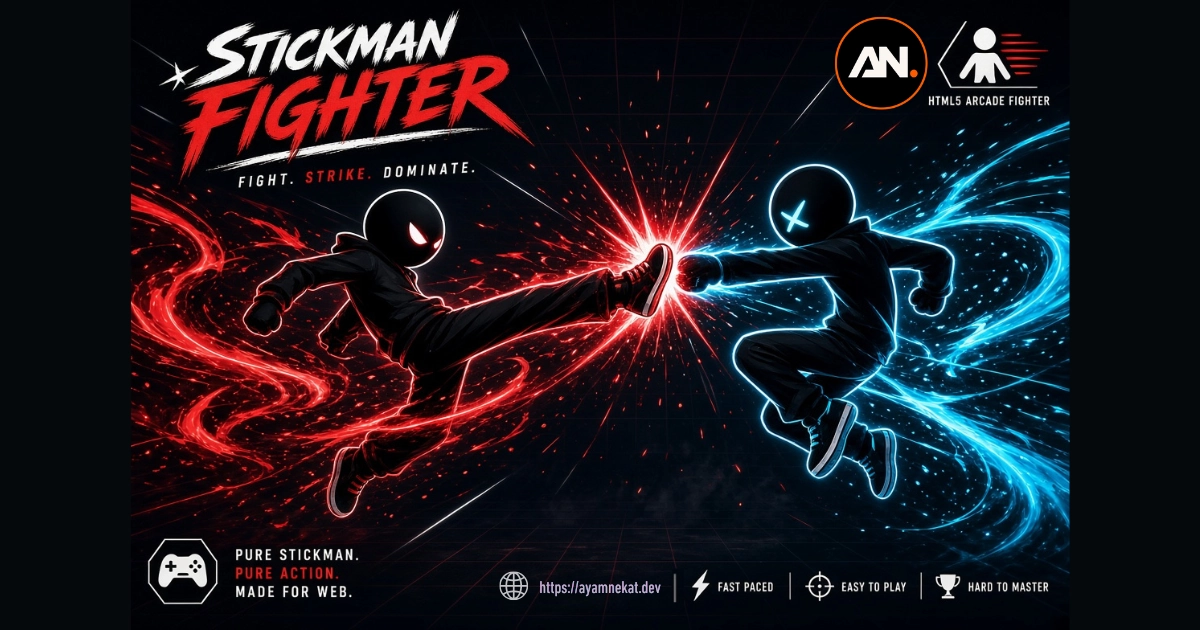
The challenge was interaction: 1v1 control, combos, and hitboxes that have to feel right in the same moment.

ROLE
Developer / Engineer
CONTRIBUTION
1v1 combat, combo chaining, and hit detection
STACK
Next.js, React, TypeScript, HTML5 Canvas, Tailwind CSS
STATUS
Released
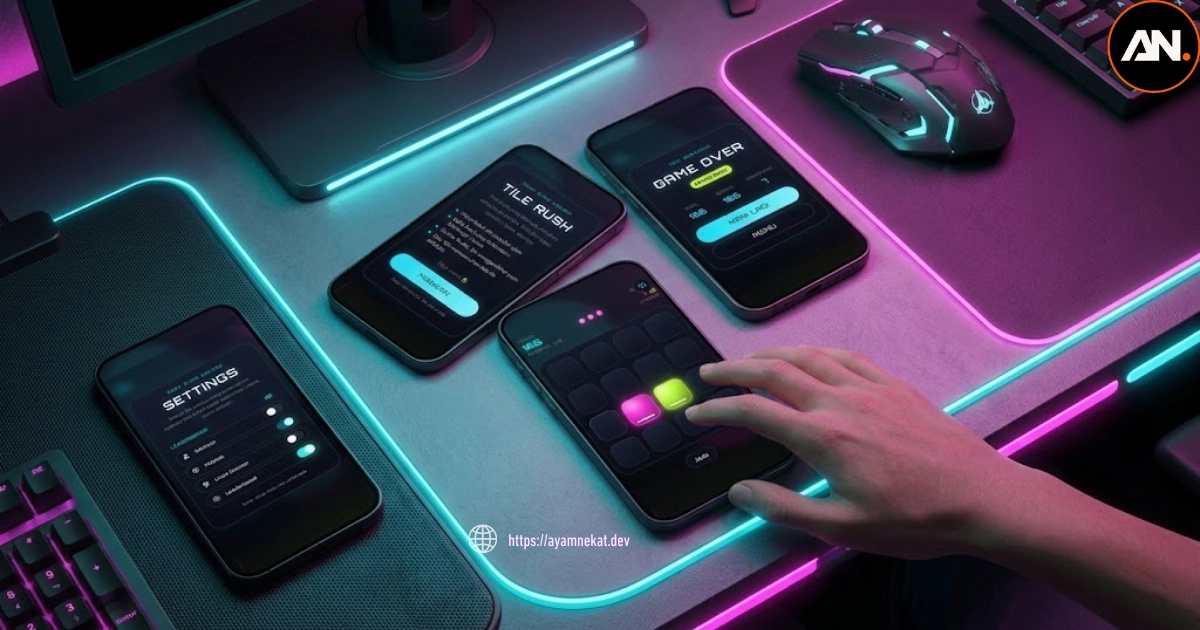
FREE Main
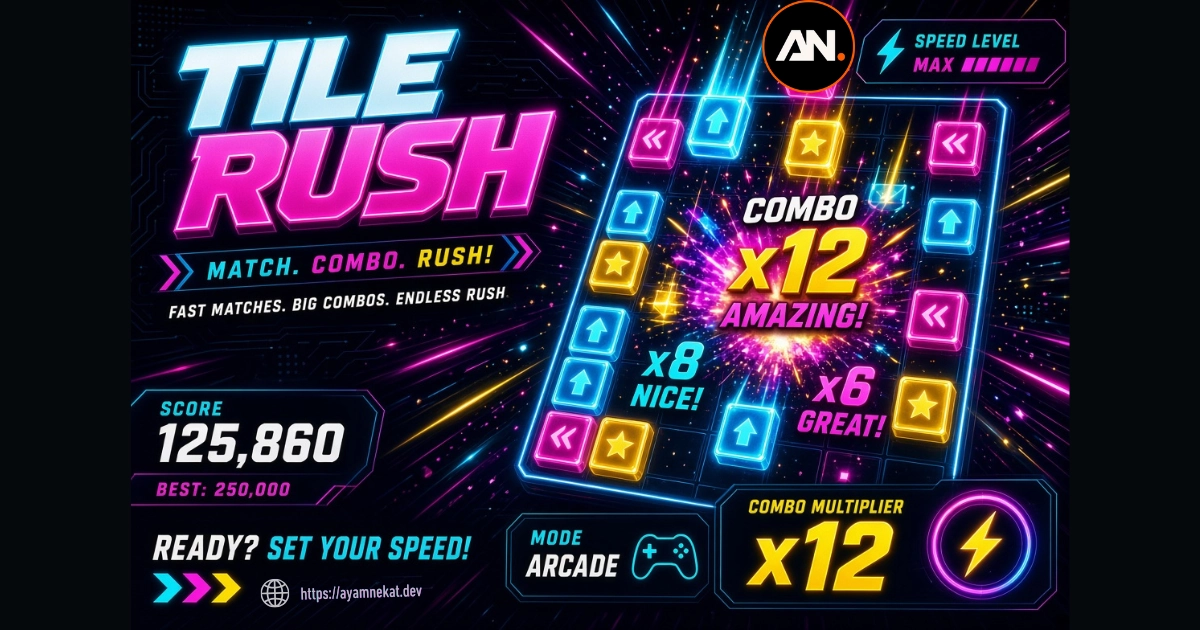
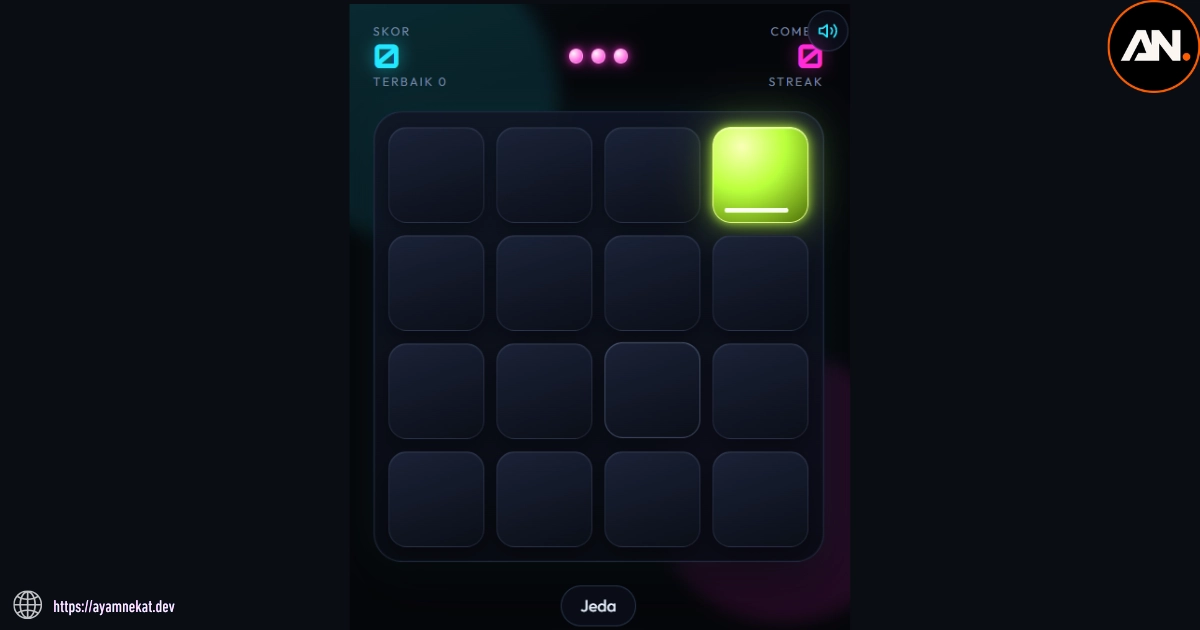
Tile Rush Core Gameplay
Tile Rush Desktop View
Tile Rush Mobile View
Arcade / Puzzle 2026

Tile Rush.

Tile Rush is about rhythm: timing, combos, and state that speeds the game up each level.

ROLE
Developer / Engineer
CONTRIBUTION
State transitions, combo logic, and timing feedback
STACK
Next.js, React, TypeScript
STATUS
Released
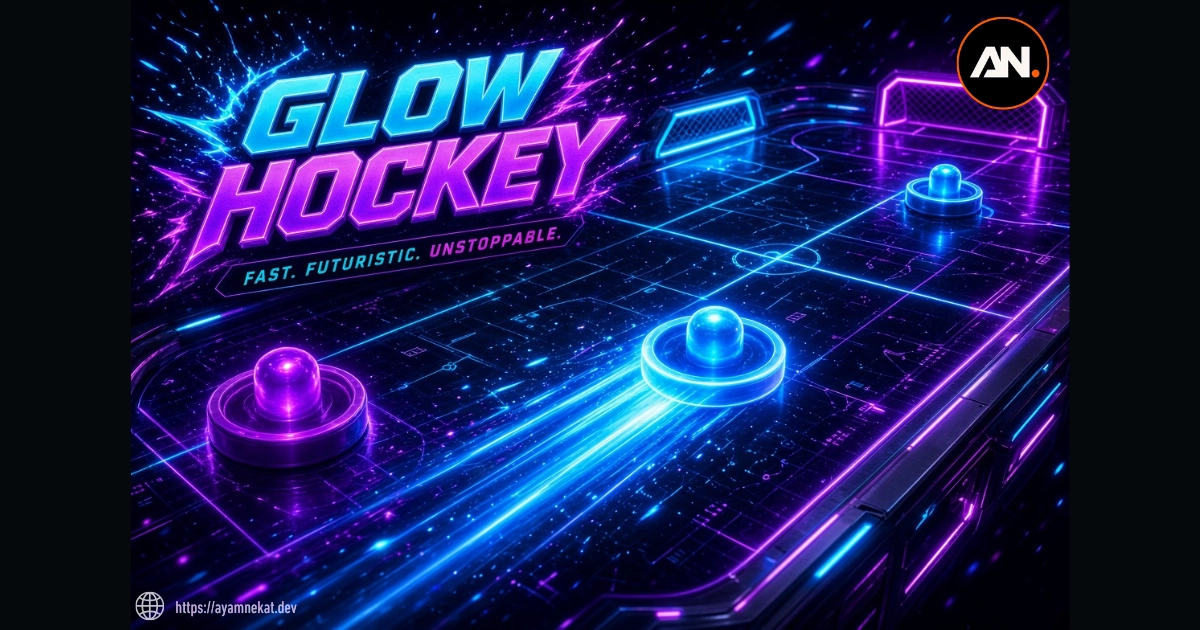
FOR SALE Main
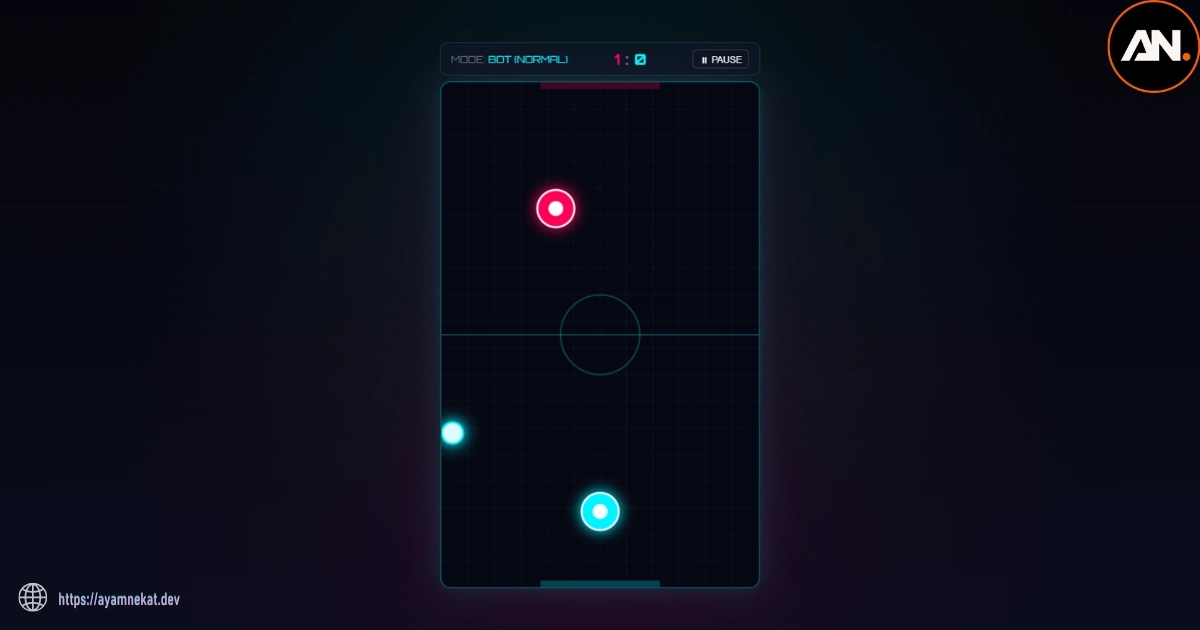
Glow Hockey Core Gameplay
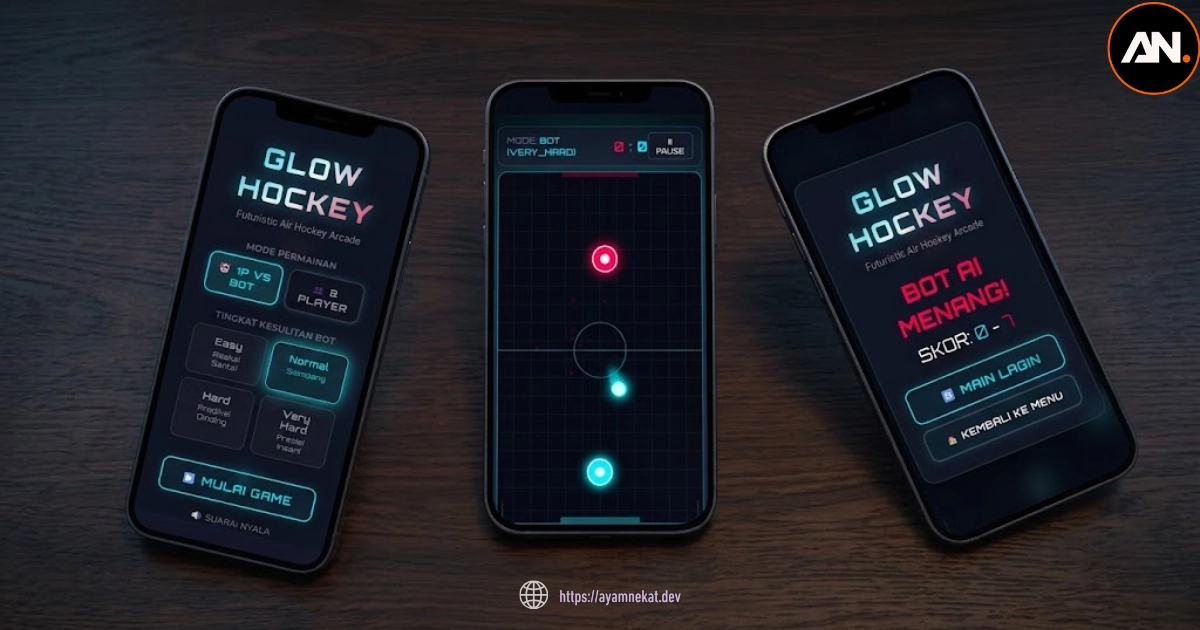
Glow Hockey Desktop View
Glow Hockey Mobile View
Arcade / Sports 2026

Glow Hockey.

Control sits at the center: puck physics, touch input, and a score duel that still has to read clearly.

ROLE
Developer / Engineer
CONTRIBUTION
Puck physics, touch controls, and score state
STACK
Next.js, React, TypeScript, HTML5 Canvas
STATUS
Released
FOR SALE Main
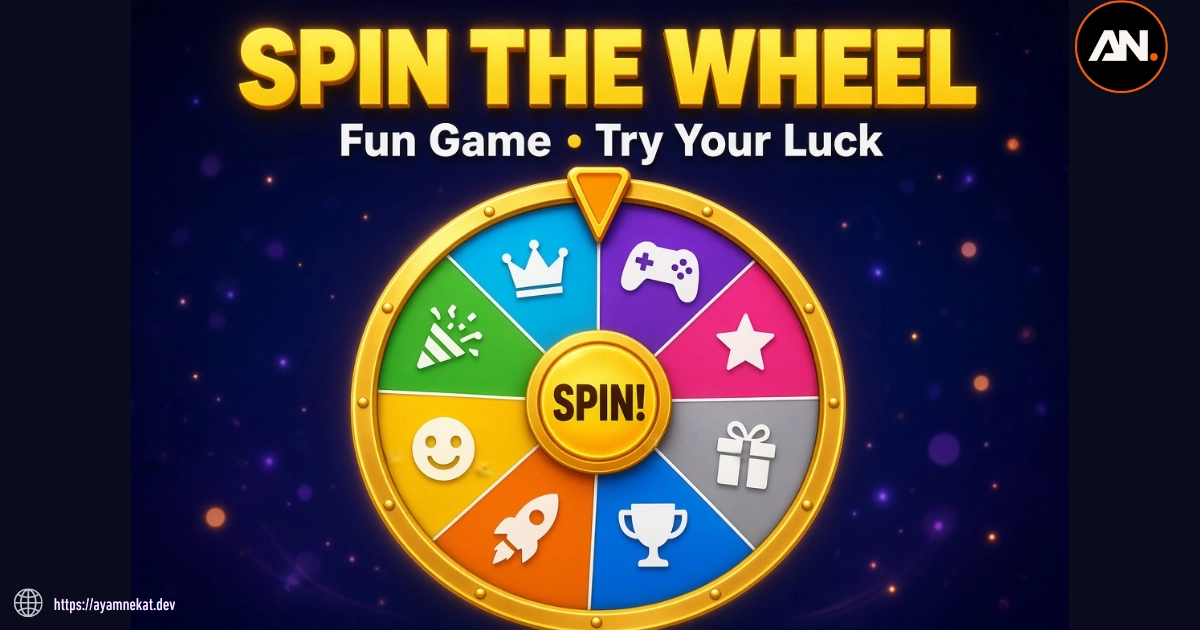
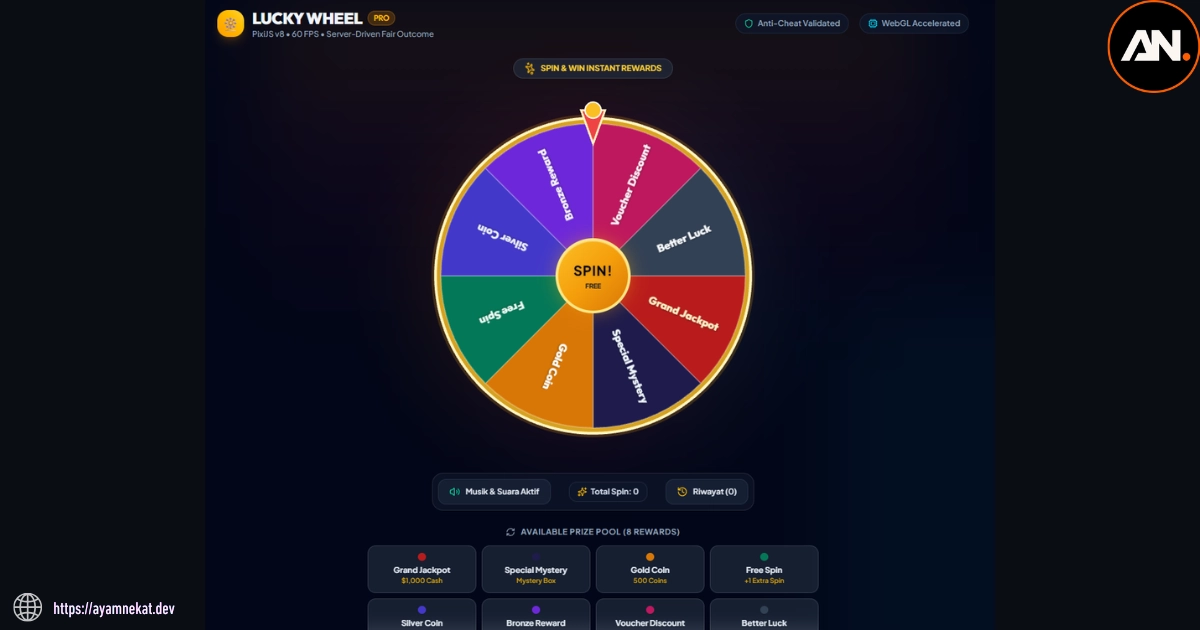
Spin Wheel Core Gameplay
Spin Wheel Desktop View
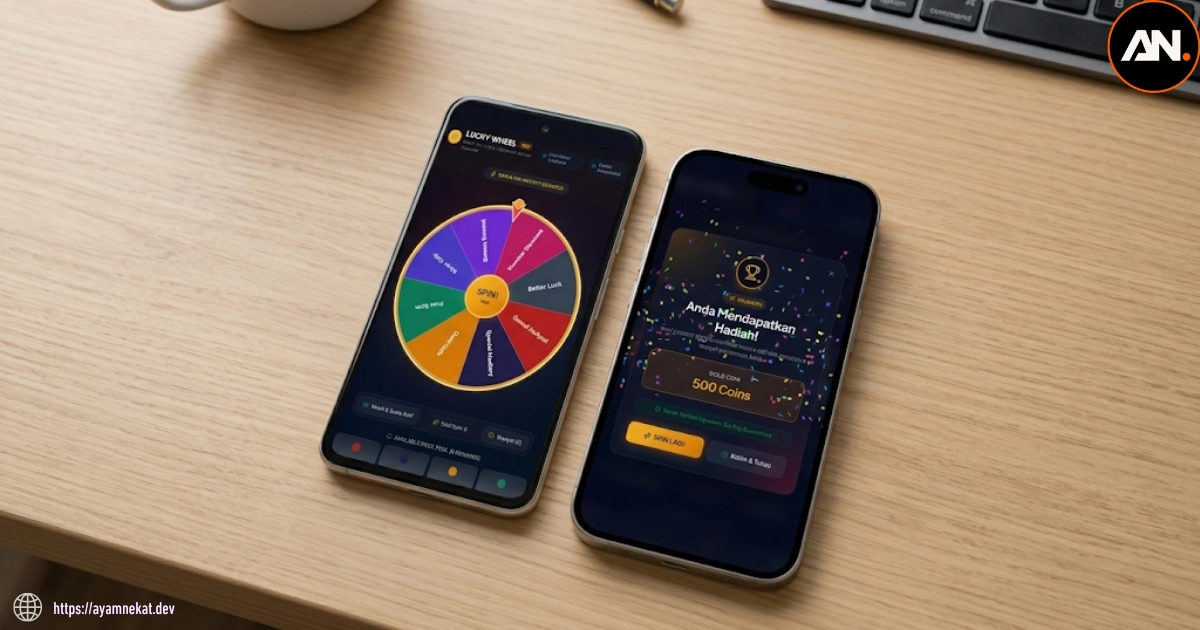
Spin Wheel Mobile View
Arcade / Casino 2026

Spin Wheel.

Interactive Spin Wheel game featuring animated wheel physics, confetti effects, audio system, and modern UI.

ROLE
Developer / Engineer
CONTRIBUTION
Spin logic, animation sequencing, and reward UI
STACK
PixiJS v8, GSAP, React 19, TypeScript, Vite, Zustand, Tailwind CSS v4, Canvas-Confetti, Lucide React
STATUS
Released
FREE Main
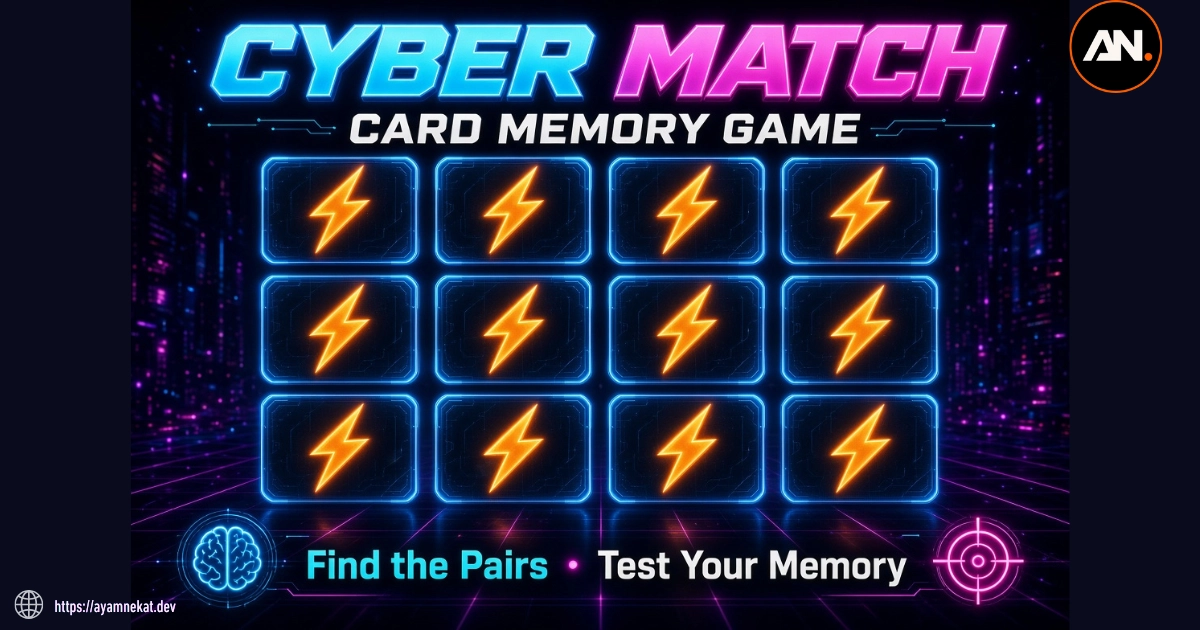
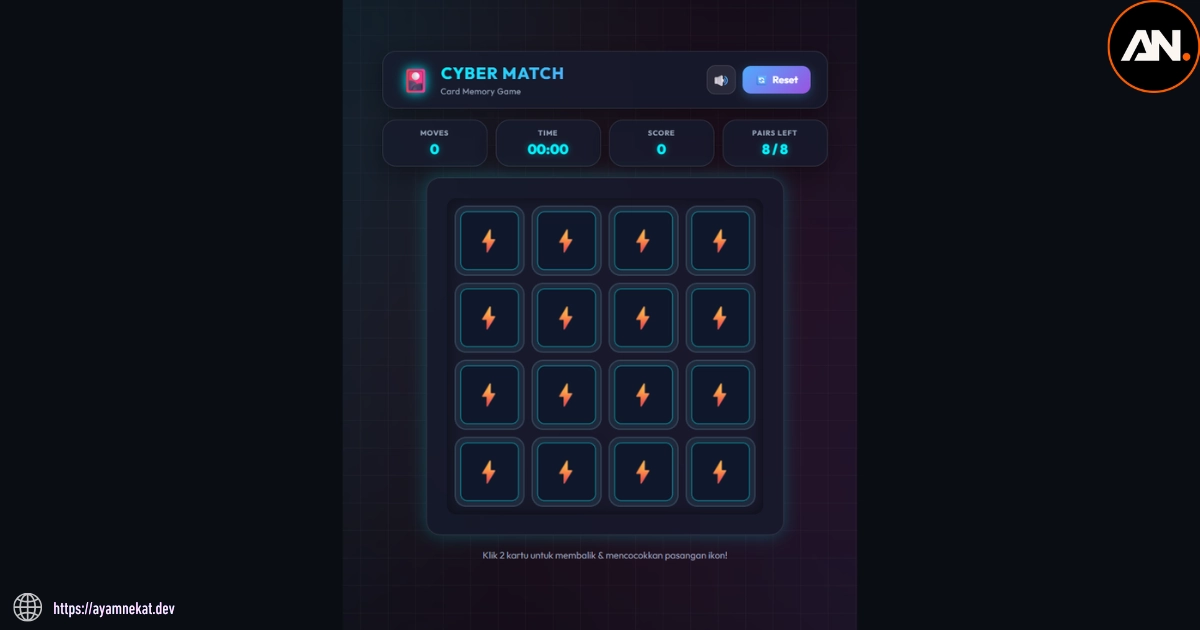
Card Memory Match Core Gameplay
Card Memory Match Desktop View
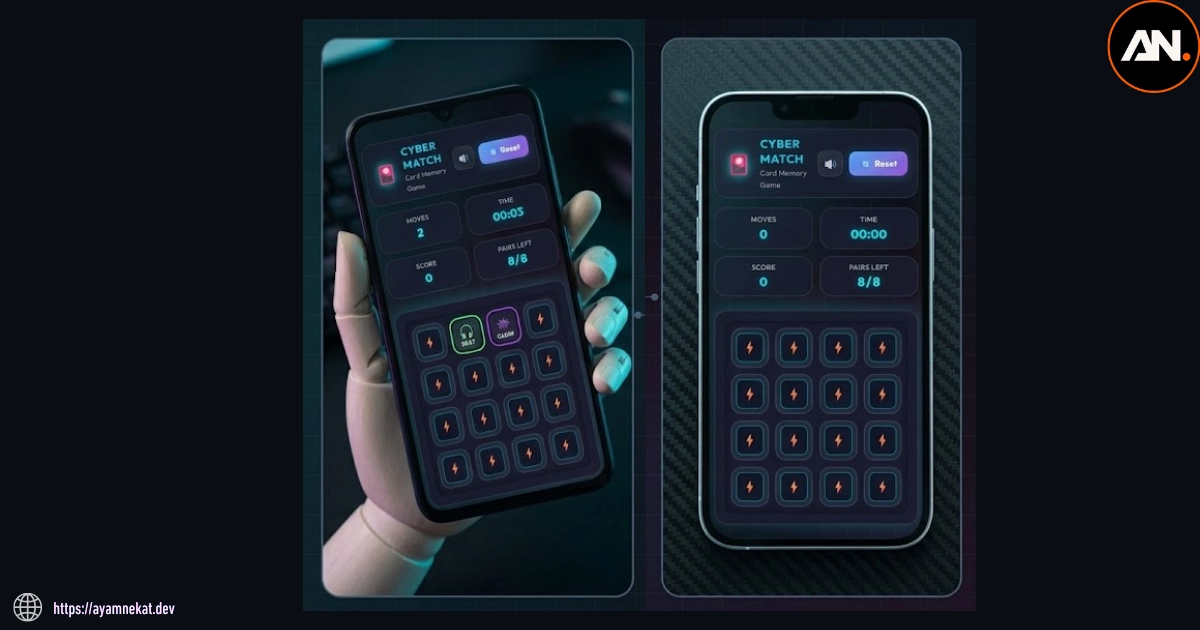
Card Memory Match Mobile View
Puzzle / Memory 2026

Card Memory Match.

Card matching memory game featuring score calculation, smooth 3D card flips, combo multipliers, and confetti visual effects.

ROLE
Developer / Engineer
CONTRIBUTION
Card state, match logic, combo scoring, and 3D flip
STACK
PixiJS v8, GSAP, React 19, TypeScript, Vite, Zustand, Tailwind CSS v4, Canvas-Confetti, Lucide React
STATUS
Released
05 / PROJECT EXPERIENCE

Experience that shaped
how I work.

Building and maintaining real projects has shaped how I make decisions as a developer. Through Ayam Nekat and other projects, several experiences became part of how I design systems, communicate feedback to players, and keep projects maintainable.

01

Keeping systems consistent

While building gameplay, a single player action often touches several states at once: presentation, progress, transitions, and feedback. Working through those relationships made me more disciplined about keeping state consistent so simple interactions do not produce confusing behavior.

02

Designing feedback players can feel

Building game interfaces showed me that correct logic is not enough if the player cannot understand what just happened. From UI state and control response to score or progress changes, I learned to treat feedback as part of gameplay rather than a separate visual layer.

03

Building documentation that lasts

A project that continues to evolve needs more than code that works today. Documenting structure, decisions, and system behavior makes the project easier to revisit, maintain, and extend without depending on the creator's memory.

06 / CONTACT

Take it from here.

Send opens your email app. If it does not open, email [email protected] directly.

[email protected]

Questions about Ayam Nekat, the engineering behind it, or another project on this page can start here.